Two Weeks Before Fall Ball: What a Half-Day Camp Should Actually Fix
Most young hitters don't plateau because they stopped working — they plateau because the reps have no plan behind them. Ahead of M4P's Aug. 15 youth camp in St. Louis, a look at what three focused hours can realistically change before fall rosters take the field.
Written by Connor Jenkins, founder of Movement 4 Power, for Inside The Game STL. M4P is hosting the camp described below.
Center STL · St. Louis, Mo.
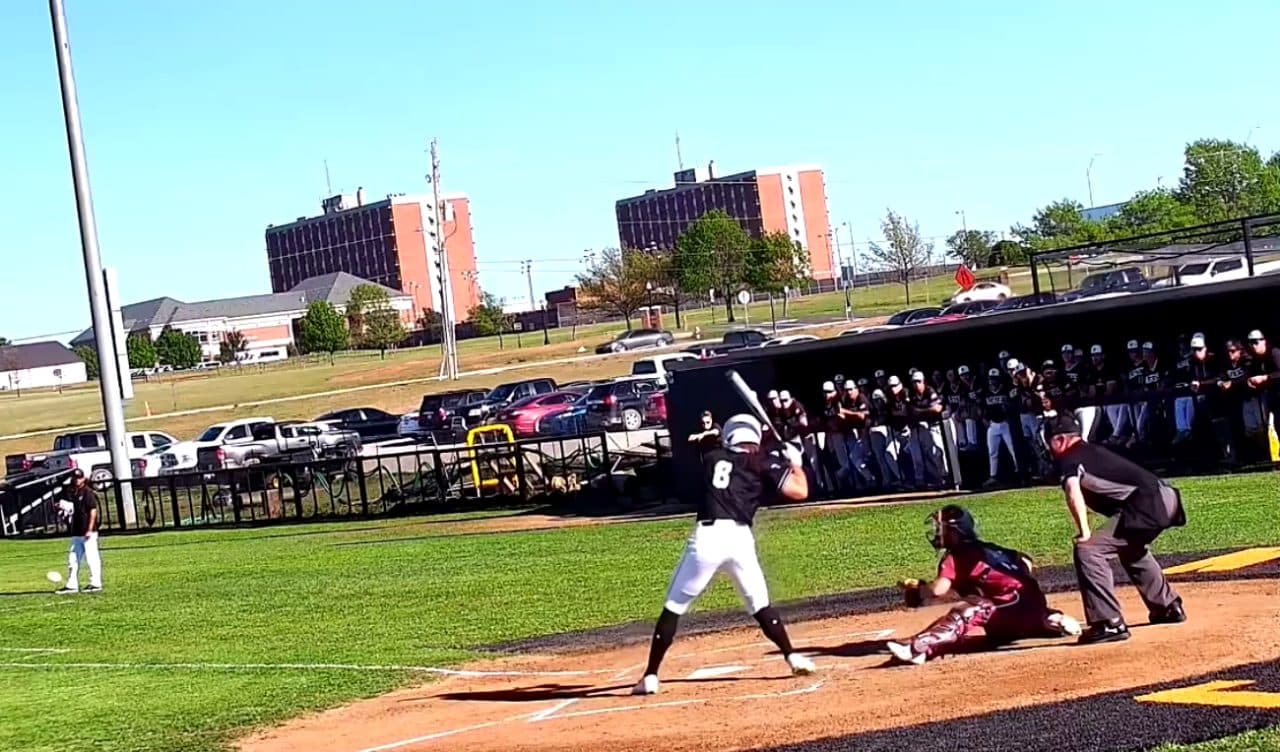
Every August the same thing happens in St. Louis. Summer ball ends, there's a two- or three-week gap, and then fall rosters take the field. Most players spend that gap doing nothing. A few spend it hitting — but hitting without a plan, which is closer to nothing than most parents realize.
On Saturday, Aug. 15, we're running a half-day Youth Hitting & Fielding Camp at Center STL for ages 8–14. Three hours, 9 a.m. to noon. I want to be straight about what a morning like that can and can't do — because the honest answer is more useful than the pitch.
What three hours can't do
It can't add ten pounds of muscle or five miles an hour of exit velocity. Anyone selling that is selling something. Real strength and real bat speed are built over months, not mornings.
What three hours absolutely can do
It can give a player a checklist he can run himself. That's the whole thing. A young hitter who knows what to check when the swing goes bad has something to work with in October; a player who's only ever been told "stay back" or "keep your hands inside" has nothing to hold onto once the coach walks away.
That's why every hitter we work with gets the same three checkpoints. Not ten cues. Three — few enough to remember in the box, specific enough to self-diagnose. When a player can look at his own swing and identify which checkpoint slipped, practice stops being repetition and starts being development.
Why we teach fielding from the feet up
The most common thing I see in youth infielders isn't bad hands. It's good hands compensating for late feet. A kid who arrives at the ball a half-step behind has to rush the exchange, and the error shows up in the transfer — so that's what gets "fixed," over and over, while the actual problem stays where it started.
So we work feet first: angles to the ball, the rhythm of the approach, and where the body needs to be before the glove ever matters. Players are often surprised how much cleaner their hands look once their feet arrive on time.
Small groups, by age and level
Camps fall apart when a first-year nine-year-old and a travel-ball thirteen-year-old end up in the same line. We group by age and experience so both get coached at the level they're actually at — and so nobody spends the morning waiting for a turn.
Every group is run by an instructor who played at the college or pro level: myself, Zane Roos — a two-time Conference Gold Glove winner who hit .343 for his career — and Andrew Zoellner, who brings more than a decade of coaching pitching and hitting. We're running the stations, not supervising them.
The details
- Saturday, Aug. 15 · 9:00 a.m.–12:00 p.m. (check-in opens 8:40)
- Center STL — 6727 Langley Ave, St. Louis
- Ages 8–14, all skill levels, baseball and softball players welcome
- $89 per player — $75 for Southside Prospects players, current M4P athletes, or anyone bringing a teammate or sibling
- Bring a glove, bat, helmet, water, and cleats or turf shoes
Spots are limited and grouped by age, so registration closes when the groups fill. You can register here.
If you don't come to this one
Do something with the two weeks anyway. Pick one thing — one swing checkpoint, one footwork pattern — and work on it with intent three times a week. Twenty focused minutes beats an hour of aimless cage time, and your player will show up to the first fall practice noticeably sharper than the kid who took August off.
That's the actual message. The camp is just the fastest way to find out which one thing your player should be working on.
Teams: Movement 4 Power · Southside Prospects
The digital engine behind Inside The Game STL
EVRT builds and powers the entire Inside The Game STL platform — the website and publishing infrastructure, the editorial coverage and game recaps, and the technical SEO and schema frameworks that get these stories found across St. Louis and Jefferson County. From the code to the copy, this partnership is engineered by EVRT.
Inside The Game STL · A Devoted Athletics brand.